How to create MSMQs in your Windows 10 local development machine (2 ways)!

Manager — SDE
Search for a command to run...

Manager — SDE
No comments yet. Be the first to comment.
← Previous: What’s New in the SDK and Tooling for .NET 9 .NET Aspire is a set of tools, templates, and packages designed to help developers build observable, production-ready apps that embrace cloud-native and distributed computing best practices. .N...

← Previous: What’s New in .NET Libraries for .NET 9 The .NET 9 SDK introduces several new capabilities and improvements to streamline development workflows, enhance build and test experiences, improve NuGet security and performance, and provide great...

← Previous: What’s New in .NET MAUI for .NET 9 .NET 9 adds a wide range of enhancements and new APIs across the base class libraries. These improvements touch everything from low-level data structures and cryptography to JSON serialization, text pr...

← Previous: What’s New in ML.NET .NET Multi-platform App UI (.NET MAUI) in .NET 9 focuses on improving overall product quality, test coverage, performance, and stability. While previous releases introduced major new capabilities and controls, the emp...

← Previous: What’s new in ASP.NET Core 9.0 ML.NET continues to evolve as a full-featured, open-source machine learning framework for .NET developers, enabling you to create, train, and deploy custom ML models directly in your .NET applications. ML....

At some point in your development career, you'd stumble upon an application that requires MSMQs (Microsoft Messaging Queues). Here's how to create MSMQs in your local development machine.
Microsoft Message Queuing feature is disabled by default, you need to enable it.
Search Turn Windows features on or off

Enable Microsoft Message Queue (MSMQ) Server

This will search for some files in Windows Update and enable this feature.
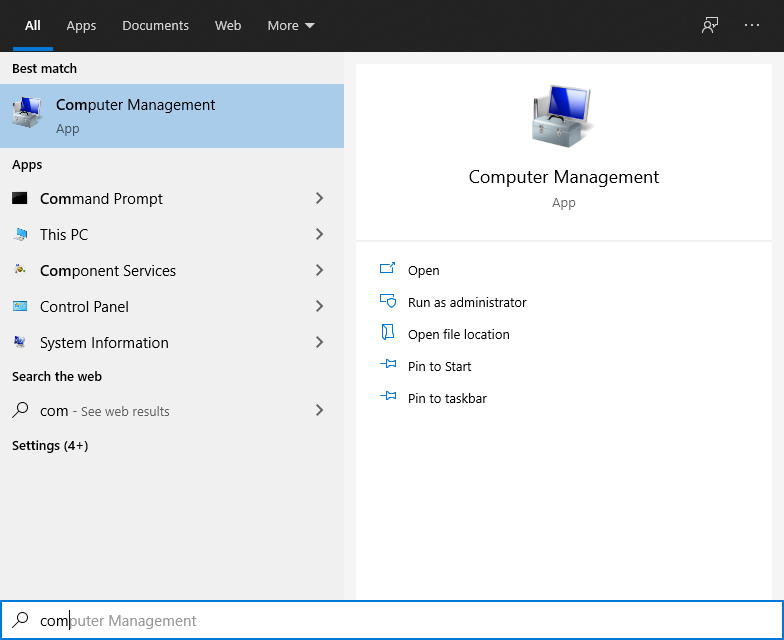
Search Computer Management

Scroll down to Services and Applications-> Message Queuing

Right Click either on Private Queues or Public Queues-> Private Queue
Give the MSMSQ a name. Check Transactional, if you want to create a Transactional Queue.

Newly created MSMQ will be listed.

Search PowerShell

Type following command
New-MsmqQueue -Name ps-demo-queue -QueueType Private -Transactional

You should see output something like this:

You can verify the MSMQ created

That's it! Now you know 2 ways to create an MSMQ.
Happy Coding!